

- October 15, 2026
- drishti gupta
- Comment: 0
- Pulmonology
Healthy lungs are essential for breathing comfortably and maintaining an active lifestyle. However, respiratory problems such as persistent coughing, shortness of breath, wheezing, and chest tightness can sometimes indicate an underlying lung condition.
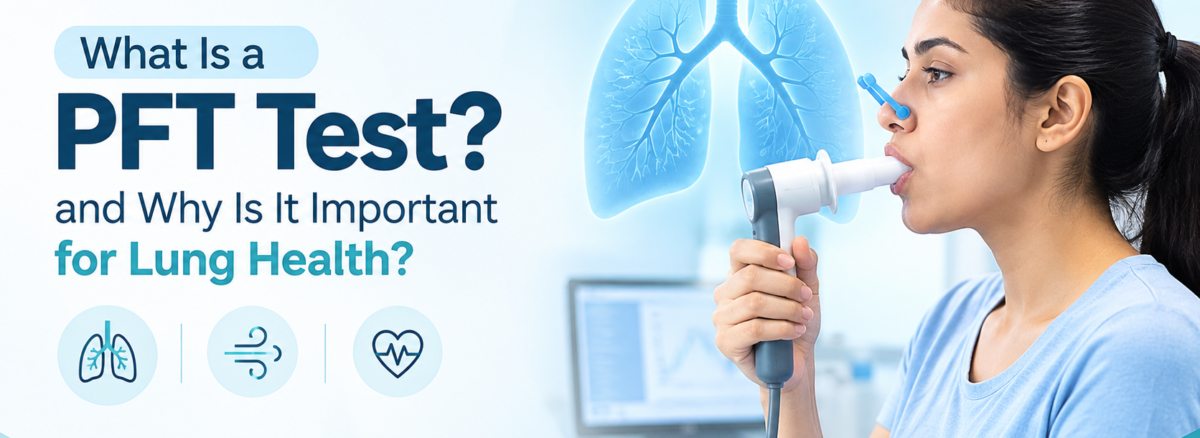
A Pulmonary Function Test (PFT) is a simple, non-invasive test that helps evaluate how well your lungs are working. It measures how much air your lungs can hold, how quickly you can breathe air out, and how effectively your lungs transfer oxygen into your blood.
Whether you experience frequent breathing difficulties or your doctor recommends a routine lung assessment, understanding the PFT test can help you take better care of your respiratory health.
What Is a PFT Test?
A PFT test, also known as a Pulmonary Function Test, is a group of breathing tests used to assess lung function. It helps doctors understand whether your lungs are working properly and identify possible respiratory conditions.
During the test, you may be asked to breathe into a specialized machine called a spirometer or other lung-testing equipment. The machine records your breathing patterns and provides measurements that help your doctor assess your lung capacity and airflow.
PFT tests are commonly used to evaluate conditions such as:
- Asthma
- Chronic Obstructive Pulmonary Disease (COPD)
- Chronic bronchitis
- Emphysema
- Certain interstitial lung diseases
- Other conditions that affect breathing and lung function
Your doctor may recommend additional tests depending on your symptoms and medical history.
Why Is a PFT Test Important for Lung Health?
A PFT test provides valuable information about your respiratory health. Here are some important reasons why your doctor may recommend it.
- Helps Detect Lung Problems Early
Some lung conditions develop gradually, and their early symptoms may be difficult to recognise. A PFT test can help identify abnormal lung function and support early diagnosis when combined with a medical evaluation.
- Helps Diagnose Asthma and COPD
Conditions such as asthma and COPD can affect the movement of air in and out of the lungs. Pulmonary function testing, particularly spirometry, helps doctors assess airflow obstruction and determine whether further evaluation is needed.
- Evaluates Shortness of Breath
If you experience breathlessness while walking, climbing stairs, or performing everyday activities, your doctor may recommend a PFT test to investigate possible respiratory causes.
Breathlessness can also result from heart conditions, anaemia, and other health problems, so a PFT test may be only one part of the evaluation.
- Monitors Existing Lung Conditions
For patients already diagnosed with a respiratory condition, PFT tests can help monitor lung function over time and assess changes in the disease.
- Helps Assess Treatment Effectiveness
Doctors may compare test results before and after treatment to understand whether a medication or other intervention is improving airflow or lung function.
What Are the Common Symptoms That May Require a PFT Test?
Your doctor may recommend a pulmonary function test if you experience any of the following symptoms:
- Frequent or persistent coughing
- Shortness of breath during daily activities
- Wheezing or noisy breathing
- Chest tightness
- Difficulty breathing during exercise
- Recurrent respiratory symptoms
- A history of smoking or exposure to dust, pollution, or workplace irritants
Important: These symptoms do not always indicate lung disease. A medical consultation helps determine whether a PFT test or another investigation is appropriate.
If you experience sudden or severe breathing difficulty, seek urgent medical attention rather than waiting for a routine test.
Is a PFT Test Painful?
No. Most pulmonary function tests are painless and non-invasive. You may feel slightly tired or light-headed after repeated forceful breathing, but this is generally temporary.
Inform the healthcare professional if you feel uncomfortable during the procedure or have a medical condition that may affect your ability to perform the test.
How Should You Prepare for a PFT Test?
Following the instructions provided by your healthcare team can help ensure accurate results.
- Wear comfortable clothing that allows you to breathe freely.
- Avoid smoking before the test, according to your healthcare provider’s instructions.
- Avoid a heavy meal immediately before the test.
- Follow instructions about exercise and other activities before testing.
- Tell your doctor about your medicines and any recent respiratory infection.
- Do not stop inhalers or other prescribed medications unless your doctor specifically instructs you to do so.
Preparation requirements can vary depending on your health and the type of PFT being performed.
Frequently Asked Questions About PFT Tests
- What is a PFT test used for?
A PFT test measures how well your lungs work. It helps doctors evaluate breathing problems and assess conditions such as asthma and COPD.
- Is a PFT test painful?
No. Most PFT tests are painless and non-invasive. You may be asked to breathe forcefully several times during the procedure.
- How long does a PFT test take?
A basic spirometry test may take a few minutes. A complete pulmonary function assessment can take longer, depending on the tests required.
- Can a PFT test detect asthma?
PFT testing, particularly spirometry before and after a bronchodilator when appropriate, can help doctors evaluate asthma. Additional testing may be needed if initial results are normal.
- Is fasting required before a PFT test?
Usually, fasting is not required. However, you should follow the specific preparation instructions given by your healthcare provider.
- When should I consult a doctor for breathing problems?
Consult a doctor if you experience persistent coughing, wheezing, unexplained breathlessness, or recurring respiratory symptoms. Sudden or severe breathing difficulty requires urgent medical attention.

Leave feedback about this