
- July 14, 2026
- drishti gupta
- Comment: 0
- General Medicine
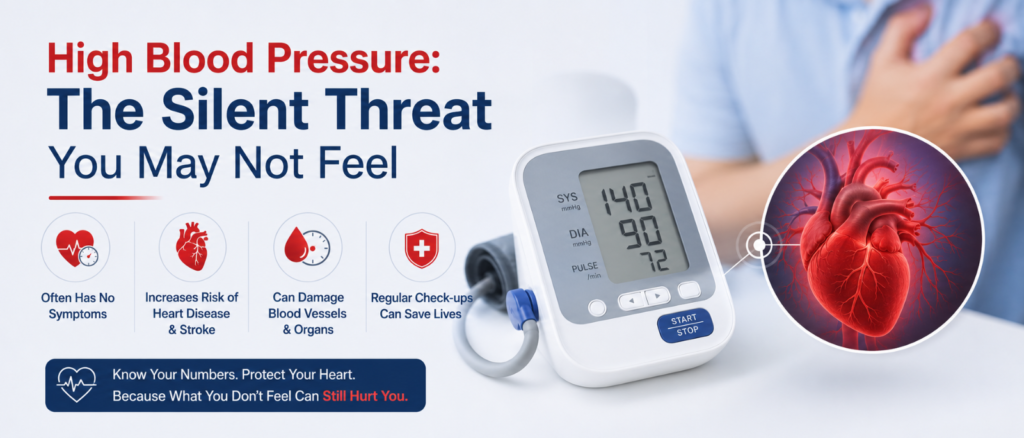
High blood pressure (hypertension) is often called the “silent killer” because it usually develops without noticeable symptoms. Many people live with high blood pressure for years without realizing it, while it quietly damages the heart, brain, kidneys, and blood vessels.
Ignoring the warning signs can lead to serious health problems such as heart attack, stroke, kidney disease, and vision loss. At Guardian Hospital, we believe that early detection and timely treatment can prevent these life-threatening complications.
What Is High Blood Pressure?
Blood pressure is the force of blood pushing against the walls of your arteries. It is measured using two numbers:
- Systolic Pressure: Pressure when the heart beats.
- Diastolic Pressure: Pressure when the heart rests between beats.
Normal blood pressure is generally around 120/80 mmHg. Consistently high readings (typically 140/90 mmHg or above) require medical attention.
Why Is High Blood Pressure Dangerous?
When blood pressure remains high for a long time, it puts extra strain on your heart and blood vessels. This can gradually damage vital organs and increase your risk of:
- Heart attack
- Stroke
- Heart failure
- Vision problems
- Kidney disease
- Peripheral artery disease
Warning Signs You Should Never Ignore
Although many people experience no symptoms, some may notice warning signs, especially when blood pressure becomes dangerously high.
- Severe Headaches
Frequent or intense headaches, especially in the morning, may indicate very high blood pressure.
- Dizziness or Lightheadedness
Feeling dizzy without an obvious reason could be a warning sign that needs medical evaluation.
- Blurred or Double Vision
High blood pressure can damage the tiny blood vessels in your eyes, causing vision changes.
- Chest Pain
Chest discomfort should never be ignored. It may indicate heart-related complications associated with hypertension.
- Shortness of Breath
Difficulty breathing during normal activities may signal that your heart is under stress.
- Nosebleeds
Although occasional nosebleeds are common, frequent nosebleeds combined with high blood pressure require medical attention.
- Fatigue or Confusion
Reduced blood flow to the brain may cause unusual tiredness, confusion, or difficulty concentrating.
- Irregular Heartbeat
A racing or irregular heartbeat can sometimes be associated with uncontrolled blood pressure.
- Blood in Urine
This may indicate kidney damage caused by prolonged hypertension.
- Persistent Anxiety or Restlessness
Some people experience unexplained anxiety or a feeling of uneasiness during episodes of severely elevated blood pressure.
Who Is at Higher Risk?
You may have a higher risk of developing hypertension if you:
- Are over 40 years of age
- Have a family history of high blood pressure
- Are overweight or obese
- Eat a high-salt diet
- Exercise very little
- Smoke or consume excessive alcohol
- Have diabetes or kidney disease
- Experience chronic stress
When Should You Seek Emergency Care?
Seek immediate medical attention if you have high blood pressure along with:
- Severe chest pain
- Sudden weakness or numbness
- Difficulty speaking
- Severe headache with blurred vision
- Loss of consciousness
- Difficulty breathing
These symptoms may indicate a medical emergency such as a heart attack or stroke.
How Is High Blood Pressure Diagnosed?
Diagnosis is simple and painless. Your doctor may recommend:
- Blood pressure monitoring
- Blood tests
- ECG (Electrocardiogram)
- Echocardiography (if required)
- Kidney function tests
- Eye examination
- Urine tests
Regular screening is the best way to detect hypertension early.
How Can You Control High Blood Pressure?
Healthy lifestyle changes can significantly reduce your blood pressure:
- Reduce salt intake
- Eat more fruit and vegetables
- Exercise for at least 30 minutes most days
- Maintain a healthy weight
- Quit smoking
- Limit alcohol
- Manage stress through yoga or meditation
- Take prescribed medications regularly
- Never stop blood pressure medication without consulting your doctor.
Tips to Prevent High Blood Pressure
- Check your blood pressure regularly.
- Stay physically active.
- Sleep 7–8 hours every night.
- Avoid processed and salty foods.
- Drink enough water.
- Control diabetes and cholesterol.
- Visit your doctor for routine health check-ups.
Why Choose Guardian Hospital for Hypertension Care?
At Guardian Hospital, we provide comprehensive care for high blood pressure with a patient-first approach.
Our Services Include:
- Accurate blood pressure screening
- Complete cardiac evaluation
- Personalized treatment plans
- Lifestyle and dietary counseling
- Advanced diagnostic facilities
- Experienced physicians and specialists
- Long-term monitoring and follow-up care
Our goal is not only to control your blood pressure but also to protect your heart, brain, kidneys, and overall health.
Take Charge of Your Heart Health Today
High blood pressure often develops silently—but its complications can be life-changing. Regular health check-ups, early diagnosis, and proper treatment can help you stay healthy and avoid serious medical emergencies.
If you experience any warning signs or have risk factors for hypertension, don’t wait.
Visit Guardian Hospital today for expert evaluation, accurate diagnosis, and personalized treatment. Your heart deserves the best care.
Frequently Asked Questions (FAQs)
Can I have high blood pressure without any symptoms?
Yes. Most people with hypertension experience no symptoms, which is why regular blood pressure checks are essential.
Can stress cause high blood pressure?
Stress can temporarily raise blood pressure and, over time, contribute to long-term hypertension if not managed properly.
Is hypertension curable?
While it may not always be cured, it can be effectively controlled through lifestyle changes and medication.
How often should I check my blood pressure?
Adults should have their blood pressure checked at least once a year. People with risk factors or diagnosed hypertension should monitor it more frequently as advised by their doctor.
Reviewed by Dr. Gurveer kaur
General Medicine
Guardian Hospital

Leave feedback about this