
- June 29, 2026
- drishti gupta
- Comment: 0
- Dietitian & Nutritionist
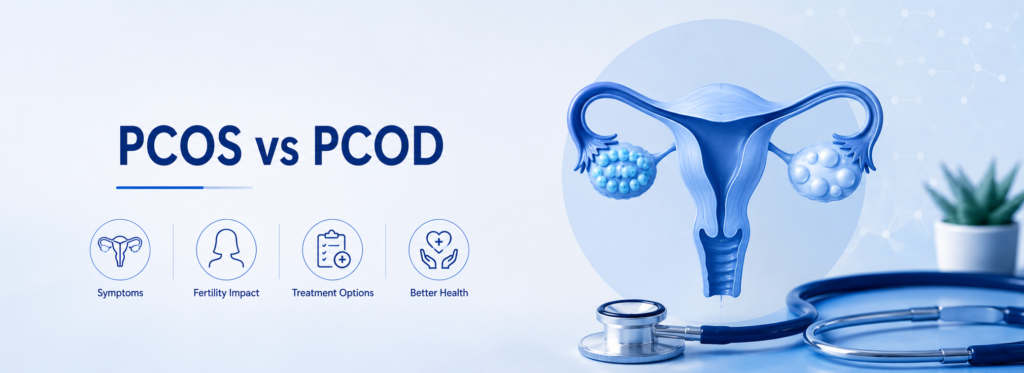
Hormonal health plays a vital role in a woman’s overall well-being, yet many women struggle to understand the difference between PCOS (Polycystic Ovary Syndrome) and PCOD (Polycystic Ovarian Disease). Because the terms are often used interchangeably, confusion is common. While both conditions affect the ovaries and can cause irregular periods, weight gain, acne, and fertility challenges, they are not exactly the same.
At Guardian Hospital, we believe that early awareness, accurate diagnosis, and timely treatment are essential for managing hormonal disorders effectively. Understanding PCOS and PCOD can help women make informed decisions about their reproductive, metabolic, and long-term health.
What Are PCOS and PCOD?
What Is PCOD?
Polycystic Ovarian Disease (PCOD) is a condition in which the ovaries produce multiple immature or partially mature eggs that may develop into small cysts. Hormonal imbalance can interfere with regular ovulation, leading to irregular menstrual cycles and other symptoms. Lifestyle factors such as poor diet, obesity, stress, and lack of physical activity are often associated with PCOD.
What Is PCOS?
Polycystic Ovary Syndrome (PCOS) is a more complex hormonal and metabolic disorder. It is characterized by hormonal imbalances, irregular ovulation, elevated androgen (male hormone) levels, and often insulin resistance. PCOS is considered one of the leading causes of infertility among women of reproductive age.
Although PCOD and PCOS share many symptoms, PCOS typically has a broader impact on hormonal and metabolic health and may require long-term medical management.
Common Symptoms of PCOS and PCOD
The symptoms of PCOS and PCOD can vary from person to person. Some women experience mild symptoms, while others may face significant health challenges.
Common signs include:
● Irregular or missed periods
● Heavy or prolonged menstrual bleeding
● Difficulty getting pregnant
● Weight gain, especially around the abdomen
● Acne and oily skin
● Excess facial or body hair growth (hirsutism)
● Hair thinning or hair loss
● Darkened skin patches
● Mood changes and fatigue
● Difficulty losing weight
Many women may have these symptoms for years before receiving a proper diagnosis. Studies suggest that a significant number of women with PCOS remain undiagnosed.
What Causes PCOS and PCOD?
The exact cause is not completely understood, but several factors appear to contribute.
1. Hormonal Imbalance
In both PCOS and PCOD, elevated androgen levels can interfere with normal ovulation and menstrual cycles. Excess androgen production may lead to acne, excessive hair growth, and fertility issues.
2. Insulin Resistance
Many women with PCOS have insulin resistance, a condition in which the body’s cells do not respond effectively to insulin. This can increase insulin levels and stimulate the ovaries to produce more androgens, worsening symptoms.
3. Genetics
A family history of PCOS or PCOD may increase the likelihood of developing these conditions. Researchers believe genetic factors play a significant role.
4. Lifestyle Factors
In both PCOS and PCOD, elevated androgen levels can interfere with normal ovulation and menstrual cycles. Excess androgen production may lead to acne, excessive hair growth, and fertility issues.
How Do PCOS and PCOD Affect Fertility?
One of the biggest concerns for many women is fertility.
Both PCOS and PCOD can disrupt ovulation, making it more difficult to conceive naturally. When ovulation occurs irregularly or does not occur at all, the chances of pregnancy decrease.
However, a diagnosis of PCOS or PCOD does not mean pregnancy is impossible.
Many women successfully conceive with:
● Lifestyle modifications
● Weight management
● Ovulation-inducing medications
● Fertility treatments when necessary
Research suggests that even modest weight loss and improved lifestyle habits can help restore ovulation and improve fertility outcomes in many women.
Diet Tips for Managing PCOS and PCOD
Diet plays an important role in hormone regulation and metabolic health.
Foods to Include
● Fresh fruits and vegetables
● Whole grains
● Lean proteins
● Legumes and beans
● Healthy fats such as nuts, seeds, and olive oil
● High-fiber foods
These foods may help stabilize blood sugar levels and support insulin sensitivity.
Foods to Limit
● Sugary beverages
● Processed foods
● Refined carbohydrates
● Excessive fast food
● Highly processed snacks
Reducing foods that cause rapid blood sugar spikes may help improve insulin resistance and hormonal balance.
Lifestyle Changes That Make a Difference
Lifestyle modification is widely considered a first-line approach for managing PCOS and PCOD symptoms.
Regular Exercise
Physical activity can:
● Improve insulin sensitivity
● Support weight management
● Improve mood
● Help regulate hormones
Aim for at least 150 minutes of moderate exercise each week.
Weight Management
Even a 5–10% reduction in body weight can improve menstrual regularity, hormone balance, and fertility outcomes in some women.
Stress Management
Chronic stress can worsen hormonal imbalances. Activities such as yoga, meditation, deep breathing exercises, and mindfulness practices may help support overall well-being.
Sleep Hygiene
Getting 7–9 hours of quality sleep each night can help regulate hormones and improve metabolic health.
Treatment Approaches for PCOS and PCOD
Treatment varies depending on symptoms, age, and reproductive goals.
Medical management may include:
● Hormonal medications to regulate periods
● Medications to improve insulin sensitivity
● Treatment for acne or excessive hair growth
● Fertility medications for women trying to conceive
The treatment plan should always be personalized and supervised by qualified healthcare professionals.
When Should You See a Doctor?
You should consult a healthcare professional if you experience:
● Irregular or absent periods
● Difficulty conceiving
● Rapid weight gain
● Excess facial hair growth
● Persistent acne
● Hair thinning
● Symptoms affecting daily life
Early diagnosis can help prevent complications and improve long-term health outcomes.
Why Choose Guardian Hospital?
At Guardian Hospital, our experienced gynecology and women’s health specialists provide comprehensive evaluation, diagnosis, and treatment for hormonal disorders such as PCOS and PCOD. We focus on personalized care plans that combine medical expertise, lifestyle guidance, nutritional counseling, and fertility support when needed.
Our goal is to help women achieve better hormonal balance, improved reproductive health, and enhanced quality of life.
Conclusion
PCOS and PCOD are common hormonal conditions that can affect menstrual health, fertility, metabolism, and overall well-being. While they share similarities, understanding their differences is important for receiving the right treatment and support. With early diagnosis, healthy lifestyle choices, proper nutrition, and expert medical care, most women can successfully manage their symptoms and lead healthy, fulfilling lives.
If you are experiencing symptoms of PCOS or PCOD, the specialists at Guardian Hospital are here to guide you every step of the way toward better hormonal health and wellness.
Reviewed by Dr. Yashna Bawa
Clinical Dietitian
Guardian Hospital

Leave feedback about this