

- July 1, 2026
- drishti gupta
- Comment: 0
- General Medicine
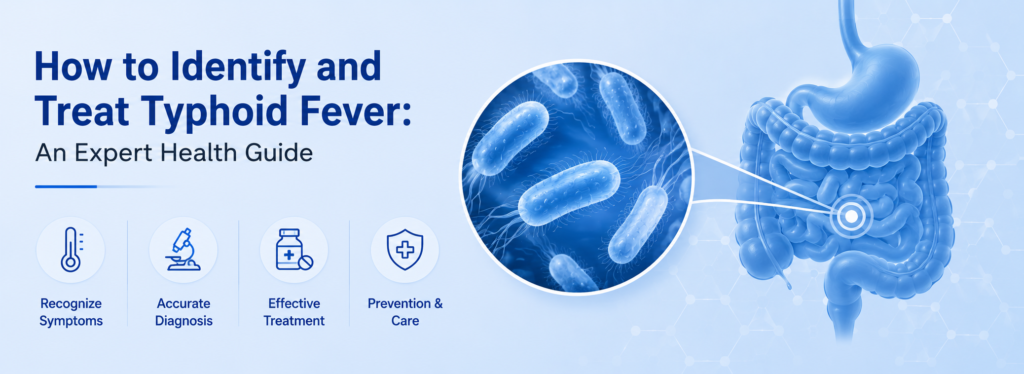
Typhoid fever remains a significant health concern in many developing countries, particularly where access to clean water and proper sanitation is limited. Although it is a preventable and treatable disease, delayed diagnosis can lead to serious complications affecting multiple organs.
At Guardian Hospital, we believe that awareness and early medical intervention are key to preventing severe illness. Understanding the symptoms, causes, diagnosis, treatment options, and prevention strategies can help individuals seek timely care and protect themselves and their families from typhoid fever.
What Is Typhoid Fever?
Typhoid fever is a bacterial infection caused by Salmonella Typhi, a bacterium that spreads through contaminated food, water, or close contact with an infected person.
Once the bacteria enter the body, they multiply in the intestines and bloodstream, causing a range of symptoms that can gradually worsen if left untreated.
Typhoid fever can affect people of all ages, but children, older adults, and individuals with weakened immune systems may be at a higher risk of complications.
How Does Typhoid Spread?
Typhoid fever is commonly transmitted through the fecal-oral route, meaning a person becomes infected by consuming food or water contaminated with the feces of an infected individual.
Common sources of infection include:
● Drinking contaminated water
● Eating improperly cooked food
● Consuming food handled by infected individuals
● Poor hand hygiene practices
● Exposure to unsanitary environments
The risk is particularly high in areas where sanitation systems and access to clean drinking water are inadequate.
Early Signs and Symptoms of Typhoid Fever
Typhoid symptoms usually develop gradually within 1 to 3 weeks after exposure to the bacteria.
Common Early Symptoms
● Persistent high fever
● Headache
● Weakness and fatigue
● Body aches
● Loss of appetite
● Abdominal discomfort
● Constipation or diarrhea
● Nausea
● Dry cough
Many people initially mistake typhoid fever for a common viral infection, leading to delays in diagnosis and treatment.
Advanced Symptoms of Typhoid Fever
If treatment is delayed, symptoms may become more severe.
These may include:
● Fever above 103°F (39.4°C)
● Severe weakness
● Significant weight loss
● Abdominal swelling
● Enlarged liver or spleen
● Confusion or altered mental status
● Rose-colored spots on the chest or abdomen (in some patients)
Without proper medical care, typhoid fever can become life-threatening.
How to Identify Typhoid Fever
Because typhoid symptoms can resemble those of dengue, malaria, viral fever, food poisoning, or gastrointestinal infections, professional medical evaluation is essential.
Medical History and Physical Examination
Doctors evaluate:
● Recent travel history
● Food and water exposure
● Duration of fever
● Digestive symptoms
● Contact with infected individuals
Laboratory Tests
To confirm typhoid fever, healthcare providers may recommend:
Blood Culture
A blood culture is considered one of the most reliable methods for identifying Salmonella Typhi, especially during the early stages of infection.
Stool Culture
A stool test may help detect the bacteria in the digestive tract.
Urine Culture
In some cases, bacteria can also be identified through urine testing.
Complete Blood Count (CBC)
Blood tests help evaluate the body’s response to infection and rule out other illnesses.
Early diagnosis significantly improves treatment outcomes and reduces the risk of complications.
Who Is at Higher Risk?
Certain groups may have a greater risk of developing typhoid fever:
● Children and adolescents
● Travelers to high-risk regions
● Individuals with weakened immune systems
● People living in areas with poor sanitation
● Individuals without access to safe drinking water
Understanding these risk factors can help people take preventive measures.
Treatment for Typhoid Fever
Typhoid fever requires prompt medical treatment.
Antibiotic Therapy
The primary treatment for typhoid fever is antibiotics prescribed by a qualified healthcare professional.
The choice of antibiotic depends on:
● Severity of infection
● Patient’s age
● Medical history
● Local antibiotic resistance patterns
It is important to complete the full course of prescribed medication, even if symptoms improve earlier.
Stopping treatment prematurely can increase the risk of recurrence and antibiotic resistance.
Hydration and Fluid Replacement
High fever, diarrhea, and poor appetite can lead to dehydration.
Patients are encouraged to:
● Drink plenty of clean fluids
● Consume oral rehydration solutions if recommended
● Maintain electrolyte balance
Severe dehydration may require intravenous (IV) fluids in a hospital setting.
Adequate Nutrition
Good nutrition supports recovery and immune function.
Patients should consume:
● Soft, easily digestible foods
● Fresh fruits and vegetables
● Protein-rich foods
● Adequate fluids
Heavy, oily, or highly spicy foods should be limited during recovery.
Rest and Recovery
Typhoid fever can cause significant fatigue.
Adequate rest allows the body to focus its energy on fighting infection and healing.
Potential Complications of Untreated Typhoid
Without appropriate treatment, typhoid fever can lead to serious complications.
These may include:
Intestinal Bleeding
Severe infection may damage the intestinal lining, causing bleeding.
Intestinal Perforation
A hole can develop in the intestine, allowing infection to spread into the abdominal cavity.
Severe Dehydration
Persistent diarrhea and fever may lead to dangerous fluid loss.
Bloodstream Infection
The bacteria can spread throughout the body and affect multiple organs.
Neurological Complications
In rare cases, severe infection may affect brain function, causing confusion or altered consciousness.
Prompt medical attention significantly reduces the risk of these complications.
Typhoid Recovery: What to Expect
Most individuals begin feeling better within a few days of starting appropriate treatment.
However, complete recovery may take several weeks.
During recovery, patients should:
● Complete all prescribed medications
● Follow dietary recommendations
● Stay hydrated
● Attend follow-up appointments
● Avoid strenuous physical activity until fully recovered
Some individuals may continue carrying the bacteria after recovery. Follow-up testing may be recommended in certain cases.
How to Prevent Typhoid Fever
Prevention remains the most effective strategy against typhoid fever.
Practice Good Hand Hygiene
Wash hands thoroughly with soap and clean water:
● Before eating
● After using the restroom
● Before preparing food
Drink Safe Water
Use:
● Boiled water
● Filtered water
● Bottled water from trusted sources
Avoid consuming water from questionable sources.
Eat Safe Food
Choose food that is:
● Properly cooked
● Served hot
● Prepared under hygienic conditions
Avoid raw or undercooked foods when hygiene standards are uncertain.
Improve Sanitation
Proper sanitation systems help prevent contamination and reduce disease transmission.
Typhoid Vaccination
Vaccination can provide additional protection, especially for travelers visiting high-risk regions.
Consult your healthcare provider to determine whether vaccination is appropriate for you.
When Should You See a Doctor?
Seek immediate medical attention if you experience:
● Fever lasting more than three days
● Persistent digestive symptoms
● Severe weakness
● Abdominal pain
● Signs of dehydration
● Recent exposure to contaminated food or water
Early medical evaluation can help prevent complications and speed recovery.
Why Choose Guardian Hospital?
At Guardian Hospital, we are committed to providing comprehensive diagnosis and treatment for infectious diseases, including typhoid fever. Our experienced healthcare professionals use advanced diagnostic methods and evidence-based treatment protocols to ensure safe and effective patient care.
We focus on:
● Accurate diagnosis
● Personalized treatment plans
● Infection management
● Preventive healthcare education
● Comprehensive patient support
Our goal is to help patients recover quickly while minimizing complications and promoting long-term health.
Conclusion
Typhoid fever is a serious bacterial infection that requires prompt medical attention. Recognizing the symptoms early, seeking timely diagnosis, and following appropriate treatment can significantly improve outcomes and prevent complications.
Maintaining good hygiene, consuming safe food and water, and staying informed about preventive measures are essential steps in protecting yourself and your family.
If you or a loved one are experiencing symptoms of typhoid fever, contact Guardian Hospital for expert medical evaluation and personalized care. Early intervention can make all the difference in achieving a safe and complete recovery.
Reviewed by Dr. Gurveer kaur
General Medicine
Guardian Hospital

Leave feedback about this