

- June 24, 2026
- drishti gupta
- Comment: 0
- Ophthamology
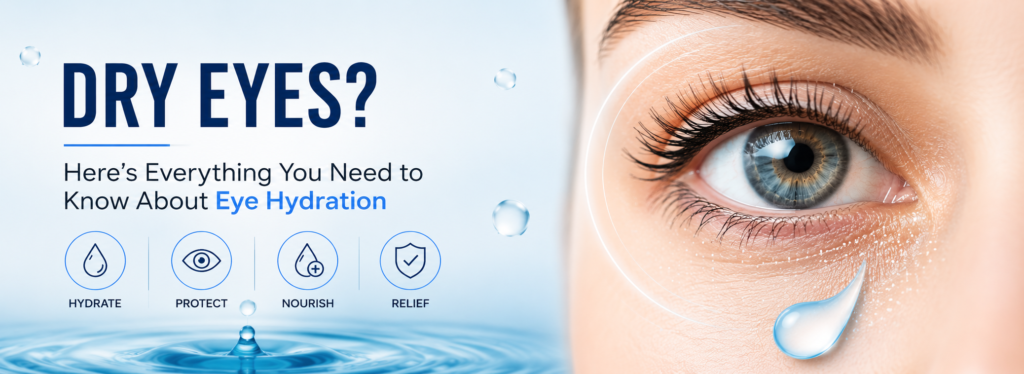
Understanding Dry Eyes and the Importance of Eye Hydration at Guardian Hospital
Our eyes work tirelessly every day, helping us read, work, drive, and enjoy the world around us. However, many people experience discomfort due to Dry Eye Syndrome, a common condition that occurs when the eyes do not produce enough tears or when tears evaporate too quickly. Proper eye hydration is essential for maintaining clear vision, comfort, and overall eye health.
At Guardian Hospital, our experienced eye care specialists provide comprehensive diagnosis and treatment for dry eyes, helping patients find lasting relief and protect their vision. Understanding the causes, symptoms, and treatment options for dry eyes can help you take proactive steps toward healthier, more comfortable eyes.
What Is Dry Eye Syndrome?
Dry Eye Syndrome is a condition in which the eyes are unable to maintain a healthy layer of tears. Tears are much more than just water—they contain a balanced mixture of oils, mucus, and nutrients that keep the eyes lubricated and protected.
When the tear film becomes unstable, the eyes can become dry, irritated, and inflamed. This can affect daily activities and reduce overall quality of life if left untreated.
Why Is Eye Hydration Important?
Healthy tears perform several important functions, including:
● Keeping the eye surface smooth and comfortable
● Providing clear vision
● Protecting against infections
● Washing away dust and debris
● Delivering nutrients to the cornea
● Preventing irritation and inflammation
Proper eye hydration ensures that your eyes remain healthy and function efficiently throughout the day.
Common Causes of Dry Eyes
Dry eyes can develop for a variety of reasons. Understanding the underlying cause is essential for effective treatment.
Aging
As people age, tear production naturally decreases, making dry eyes more common, particularly in older adults.
Excessive Screen Time
Prolonged use of computers, smartphones, tablets, and other digital devices can reduce blinking frequency, leading to increased tear evaporation and eye dryness.
Environmental Factors
Exposure to:
● Air conditioning
● Ceiling fans
● Wind
● Dust
● Smoke
● Dry climates
can contribute to eye dryness and irritation.
Contact Lens Use
Long-term contact lens wear may disrupt the natural tear film and increase discomfort.
Medical Conditions
Certain health conditions can affect tear production, including:
● Diabetes
● Thyroid disorders
● Autoimmune diseases
● Rheumatoid arthritis
Medications
Some medications may reduce tear production, including:
● Antihistamines
● Blood pressure medications
● Antidepressants
● Decongestants
Hormonal Changes
Hormonal fluctuations, especially in women during pregnancy, menopause, or hormonal therapy, can contribute to dry eye symptoms.
Symptoms of Dry Eyes
Dry Eye Syndrome can present in several ways. Common symptoms include:
● Burning sensation
● Stinging eyes
● Itching
● Redness
● Watery eyes
● Blurred vision
● Eye fatigue
● Sensitivity to light
● Feeling of sand or grit in the eyes
● Difficulty wearing contact lenses
● Discomfort while reading or using digital screens
Interestingly, excessive tearing can also be a symptom of dry eyes, as the eyes attempt to compensate for inadequate lubrication.
Risk Factors for Dry Eyes
Certain factors may increase the likelihood of developing dry eyes:
● Age over 50 years
● Female gender
● Long hours of screen use
● Contact lens wear
● Previous eye surgery
● Certain medications
● Chronic health conditions
● Exposure to dry or windy environments
Regular eye examinations can help identify these risks early and prevent complications.
How Dry Eyes Are Diagnosed
At Guardian Hospital, our eye specialists conduct a comprehensive evaluation to determine the cause and severity of dry eyes.
Diagnostic assessments may include:
Detailed Eye Examination
A complete assessment of the eye surface, eyelids, and tear film.
Tear Production Tests
These tests measure how much tear fluid your eyes produce.
Tear Quality Evaluation
Specialized examinations assess whether tears contain the proper balance of oils, water, and mucus.
Medical History Review
Understanding your lifestyle, medications, and health conditions helps identify contributing factors.
Early diagnosis allows for timely treatment and better long-term outcomes.
Treatment Options for Dry Eyes
Treatment depends on the underlying cause and severity of the condition. At Guardian Hospital, we offer personalized treatment plans designed to restore eye hydration and improve comfort.
Artificial Tears
Lubricating eye drops are often the first line of treatment and help replenish moisture on the eye surface.
Prescription Medications
For patients with inflammation-related dry eyes, prescription medications may help improve tear production and reduce irritation.
Lifestyle Modifications
Simple changes can significantly improve symptoms, such as:
● Taking regular breaks from screens
● Blinking more frequently
● Staying hydrated
● Using a humidifier
● Wearing protective eyewear outdoors
Eyelid Hygiene
Proper eyelid cleaning can improve the function of oil-producing glands and support a healthier tear film.
Nutritional Support
Omega-3 fatty acids and a balanced diet may contribute to improved tear quality and overall eye health.
Advanced Dry Eye Therapies
For chronic or severe cases, specialized treatments may be recommended to improve tear retention and restore long-term eye comfort.
Tips to Keep Your Eyes Hydrated
Maintaining eye hydration is essential for preventing dry eyes and promoting overall eye wellness.
Follow the 20-20-20 Rule
Every 20 minutes, look at something 20 feet away for at least 20 seconds to reduce digital eye strain.
Stay Well Hydrated
Drink sufficient water throughout the day to support healthy tear production.
Increase Indoor Humidity
Using a humidifier can help prevent tears from evaporating too quickly.
Protect Your Eyes Outdoors
Wear sunglasses to shield your eyes from wind, dust, and harmful UV rays.
Get Adequate Sleep
Rest allows your eyes to recover and maintain healthy tear production.
Limit Direct Air Exposure
Avoid sitting directly in front of fans, air conditioners, or heating vents.
Eat Eye-Healthy Foods
Include foods rich in:
● Omega-3 fatty acids
● Vitamin A
● Vitamin C
● Zinc
to support eye health and tear production.
When Should You See an Eye Specialist?
While occasional dryness may be temporary, persistent symptoms should not be ignored.
Seek professional evaluation if you experience:
● Chronic eye discomfort
● Persistent redness
● Blurred vision
● Light sensitivity
● Frequent eye irritation
● Difficulty performing daily activities
Prompt treatment can prevent complications and improve your quality of life.
Why Choose Guardian Hospital for Dry Eye Care?
At Guardian Hospital, we are dedicated to providing comprehensive eye care services using advanced diagnostic technology and evidence-based treatments.
Experienced Eye Specialists
Our ophthalmologists and eye care professionals are skilled in diagnosing and managing all forms of dry eye disease.
Personalized Treatment Plans
Every patient receives individualized care based on their symptoms, lifestyle, and underlying causes.
Advanced Diagnostic Facilities
We use modern diagnostic tools to accurately assess tear function and eye surface health.
Patient-Centered Care
Our team focuses on education, prevention, and long-term management to help patients achieve lasting relief.
Protect Your Vision with Proper Eye Hydration
Dry eyes may seem like a minor inconvenience, but they can significantly impact your comfort, productivity, and overall eye health. With early diagnosis, proper treatment, and healthy habits, most people can effectively manage dry eye symptoms and maintain clear, comfortable vision.
If you are experiencing persistent eye dryness, irritation, or discomfort, the eye care specialists at Guardian Hospital are here to help. Schedule a consultation today and take the first step toward healthier, better-hydrated eyes.
Guardian Hospital – Providing Expert Eye Care for Clearer Vision and Healthier Eyes.
Reviewed by Dr. Maidhavi Sobti
Ophthalmology Refractive & Cataract Surgeon
Guardian Hospital

Leave feedback about this