

- October 15, 2026
- drishti gupta
- Comment: 0
- Physiotherapy
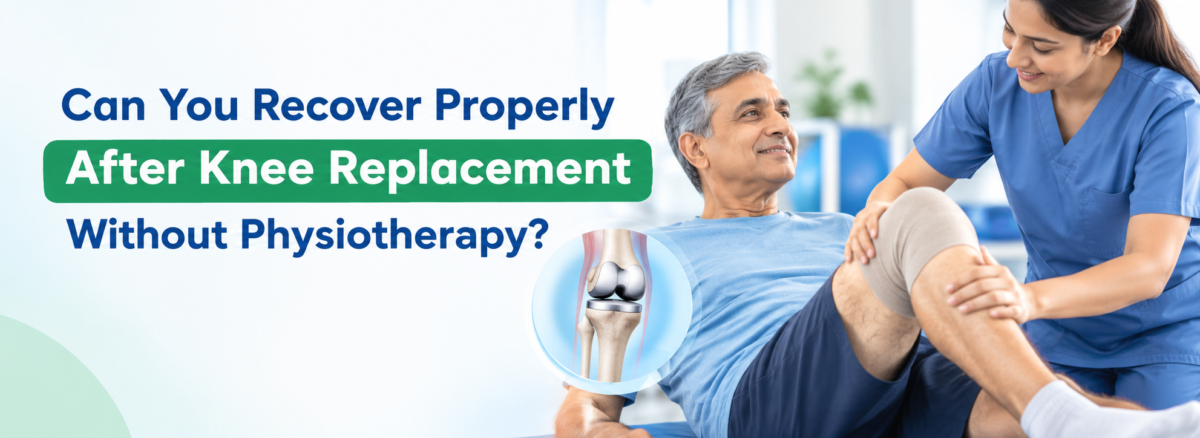
After knee replacement surgery, many patients wonder whether they can recover fully without physiotherapy. While surgery helps relieve knee pain and improve joint function, physiotherapy plays an important role in restoring movement, strength, balance, and flexibility.
Let’s understand why physiotherapy matters after knee replacement and what may happen if you skip it.
Why Is Physiotherapy Important After Knee Replacement?
Knee replacement surgery is an important step toward a more active life, but recovery continues after the operation. Your knee muscles may be weak, and the joint may feel stiff or swollen.
Physiotherapy helps you gradually regain mobility and return to daily activities.
Key benefits include:
- Improved knee movement: Helps you gradually bend and straighten your knee.
- Stronger muscles: Strengthens the muscles that support your knee joint.
- Better walking ability: Helps improve walking patterns, balance, and stability.
- Reduced stiffness: Guided exercises help maintain joint flexibility.
- Greater independence: Supports everyday activities such as standing, sitting, and climbing stairs.
Can You Recover Without Physiotherapy?
Some patients may regain basic mobility through regular movement and a home exercise programme. However, recovering without appropriate rehabilitation may make it harder to achieve the best possible functional outcome.
Without a structured recovery plan, patients may experience:
- Persistent knee stiffness.
- Muscle weakness.
- Difficulty walking or climbing stairs.
- Reduced knee flexibility.
- Slower progress toward daily activities.
Recovery varies from person to person. Your surgeon and physiotherapist can recommend an appropriate rehabilitation plan based on your condition, surgical procedure, and progress.
When Should Physiotherapy Start After Knee Replacement?
Physiotherapy often begins within the first 24 hours after surgery, depending on your medical condition and your surgeon’s instructions.
A typical recovery programme may include:
- Mobility training: Practising walking safely with a walker or other support.
- Strengthening exercises: Gradually improving the strength of the thigh and surrounding muscles
- Functional training: Practising daily activities, balance, and stair climbing when appropriate.
Always follow your treating team’s instructions and avoid exercises that cause severe pain or are not recommended for you.
How Long Does Physiotherapy Continue After Knee Replacement?
The duration depends on your age, muscle strength, overall health, and recovery progress. Some patients need supervised physiotherapy for several weeks, while others require a longer rehabilitation programme.
Even after supervised sessions end, continuing the prescribed home exercises is important for maintaining strength and mobility.
Tips for Better Recovery After Knee Replacement
- Follow your surgeon’s advice and rehabilitation schedule.
- Perform only the exercises recommended by your physiotherapist.
- Use walking aids until you are advised that they are no longer needed.
- Manage swelling and pain according to your medical team’s instructions.
- Attend follow-up appointments to monitor your progress.
- Contact your healthcare provider if you develop increasing pain, wound redness, fever, or sudden swelling.
Seek urgent medical attention for sudden shortness of breath, chest pain, or significant new swelling in one leg.
Can Robotic Physiotherapy Help After Knee Replacement?
Robotic-assisted physiotherapy may be an option for selected patients, depending on the equipment available and their rehabilitation needs. It can support guided, repetitive movement and help clinicians monitor exercise performance.
At Guardian Hospital, Ambala, patients can enquire about available knee rehabilitation services and discuss a suitable recovery plan with the orthopaedic and physiotherapy team.
Conclusion
Knee replacement surgery is only one part of your recovery journey. Appropriate physiotherapy and regular prescribed exercises help you rebuild strength, improve mobility, and work toward a more independent lifestyle.
Do not skip rehabilitation without discussing it with your surgeon or physiotherapist. A personalised recovery plan can help you progress safely toward your goals.
Looking for knee replacement and rehabilitation guidance?
Consult the Pysiotherapy team at Guardian Hospital, Ambala, to learn about your treatment and recovery options.

Leave feedback about this