

- October 16, 2026
- drishti gupta
- Comment: 0
- Ophthamology
Do you wash your eyes every morning after waking up? Many people believe that washing their eyes with water every day is essential to keep them clean and healthy. But is it really necessary?
Your eyes have a natural cleaning system that helps keep their surface moist and clear. Tears continuously lubricate the eyes and help wash away small particles. However, incorrect eye-cleaning habits may sometimes cause irritation or discomfort.
In this blog, we will explore whether washing your eyes daily is necessary, how to maintain proper eye hygiene, and which common mistakes you should avoid.
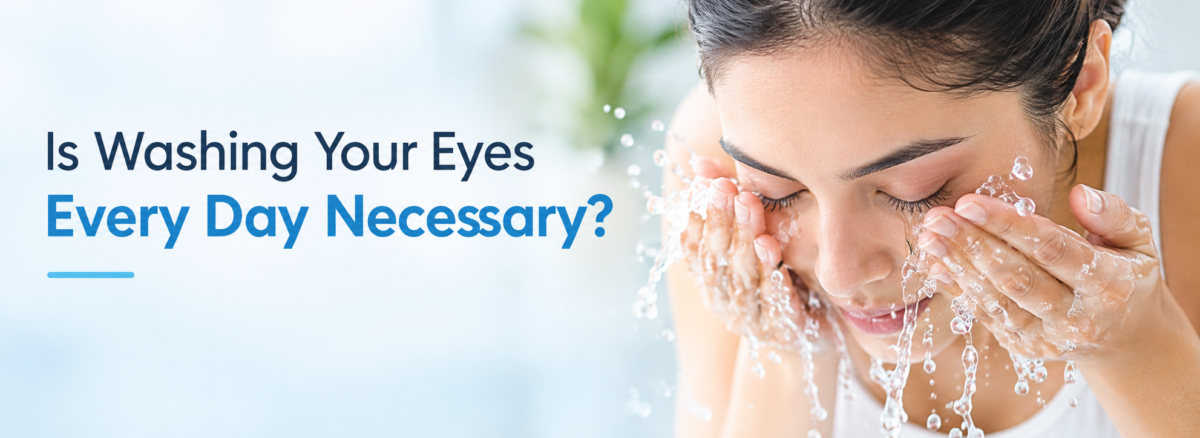
Is Washing Your Eyes Every Day Necessary?No, you do not need to wash the inside of your eyes every day. Your tears naturally help clean and protect the surface of your eyes.
You can gently wash your eyelids and the skin around your eyes with clean water as part of your daily hygiene routine. However, repeatedly splashing water directly into your open eyes is generally unnecessary.
If you experience redness, itching, dryness, or irritation, washing your eyes repeatedly may not solve the underlying problem. These symptoms can have several causes, including allergies, dry eyes, or an eye infection.
What Is the Right Way to Maintain Eye Hygiene?
Follow these simple steps to keep your eyes clean and comfortable:
- Wash your hands: Always clean your hands before touching your eyes.
- Clean your eyelids gently: Use clean water to wash the skin around your eyes.
- Avoid rubbing your eyes: Rubbing can worsen irritation and may injure the eye surface.
- Use contact lenses safely: Follow your eye specialist’s instructions for cleaning and wearing contact lenses.
- Remove eye makeup before sleeping: Clean the area around your eyes gently to prevent product buildup.
5 Common Eye-Care Mistakes to Avoid
1. Washing Your Eyes Too Frequently Washing your face is part of daily hygiene, but repeatedly rinsing the inside of your eyes is usually unnecessary and may cause irritation.
2. Rubbing Your Eyes Frequently Rubbing your eyes can worsen irritation, especially if you have allergies or dry eyes. Avoid rubbing and seek advice if itching persists.
3. Using Eye Drops Without Medical Advice Using antibiotic or steroid eye drops without a doctor’s recommendation can be harmful. Always consult an eye specialist before using medicated drops.
4. Spending Too Much Time on Screens Without Breaks Prolonged screen use can contribute to eye strain and dryness. Take regular breaks and blink frequently while using digital devices.
5. Ignoring Redness, Pain, or Blurred Vision Persistent redness, eye pain, discharge, or blurred vision may indicate an eye problem. Seek medical advice and get urgent care for sudden vision changes or severe pain.
When Should You Rinse Your Eyes?
Rinsing may be helpful in specific situations, such as when dust or a mild irritant enters your eye. Use clean, lukewarm water or sterile saline intended for eye irrigation.
Important: If a chemical enters your eye, immediately flush it continuously with plenty of clean, lukewarm running water for at least 20 minutes and seek urgent medical assistance. Do not delay rinsing while looking for special eye drops.
Seek urgent eye care if you experience sudden vision changes, severe eye pain, or significant redness with light sensitivity.
How Can You Keep Your Eyes Healthy Every Day?
Maintaining healthy eyes involves more than washing them. A few simple habits can make a difference:
- Eat a balanced diet that includes leafy green vegetables and other nutrient-rich foods.
- Wear appropriate protective eyewear when needed.
- Avoid sharing towels, eye makeup, or contact lenses.
- Follow proper contact lens hygiene.
- Get regular eye examinations as recommended by your eye specialist.
Frequently Asked Questions (FAQs)
1. Should I wash my eyes with water every morning?
You can wash your face and eyelids with clean water, but routinely rinsing the inside of your eyes is generally unnecessary.
2. Can washing my eyes remove dust?
Gentle rinsing can help remove loose particles. Avoid rubbing or trying to remove anything embedded in the eye. Seek medical attention if the sensation persists.
3. Is cold water good for the eyes?
Cold water is not necessary for routine eye hygiene. Use comfortable, clean water when washing your face.
4. Should I use rose water to clean my eyes?
Avoid putting ordinary rose water or homemade preparations into your eyes. They may not be sterile and can cause irritation or infection.
5. When should I consult an eye specialist?
Consult an eye specialist if you have persistent redness, itching, pain, discharge, or blurred vision. Sudden vision loss or severe pain requires urgent medical attention.
Conclusion
Washing your face and eyelids is a normal part of daily hygiene, but washing the inside of your eyes every day is not necessary for most people. Your tears already help protect and clean the eye surface.
The key is to maintain good eye hygiene, avoid unnecessary products, and seek professional advice when symptoms persist.
Take care of your eyes with the right habits, not unnecessary routines.
At Guardian Hospital, Ambala Cantt, our eye care services focus on helping patients maintain healthy vision through appropriate evaluation and treatment.
Experiencing eye irritation or discomfort? Consult an eye specialist for personalized advice.
Reviewed By: Dr.Maidhavi Sobti((M.B.B.S., MS Ophthalmology , Refractive & Cataract Surgeon)

Leave feedback about this