

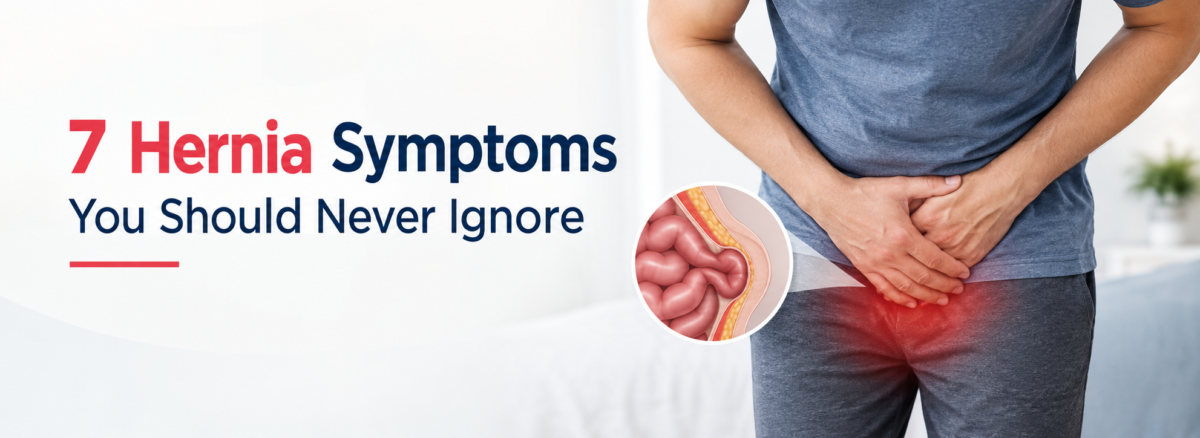
Have you noticed a bulge in your abdomen or groin? Do you experience pain while coughing, lifting heavy objects, or standing for long periods? These symptoms may indicate a hernia.
A hernia occurs when an internal organ or tissue pushes through a weak area in the surrounding muscle or connective tissue. It commonly develops in the abdomen or groin and may become more noticeable while coughing, straining, or lifting something heavy.
Some hernias cause only mild discomfort, while others can lead to serious complications if the tissue becomes trapped or its blood supply is cut off. Recognizing the warning signs early can help you seek appropriate medical care.
7 Common Hernia Symptoms You Should Know
1. A Bulge in the Abdomen or Groin
One of the most noticeable signs of a hernia is a lump or swelling in the abdomen, groin, or near the belly button. It may become more visible when standing, coughing, or lifting something heavy.
2. Pain or Discomfort While Lifting
Do you experience discomfort when lifting heavy objects, bending, or performing physical activities? A hernia may cause pain or pressure that becomes more noticeable with exertion.
3. A Feeling of Heaviness or Pressure
Some people experience a dragging sensation, heaviness, or pressure in the lower abdomen or groin, especially after prolonged standing or physical activity.
4. Pain While Coughing or Sneezing
Coughing, sneezing, or straining can increase pressure inside the abdomen and make hernia-related discomfort more noticeable.
5. Swelling That Changes with Position
A hernia bulge may become more prominent when standing or straining and less noticeable when lying down. However, a bulge that becomes stuck or cannot be pushed back needs urgent medical assessment.
6. Burning or Aching Sensation
A hernia can cause a burning, aching, or pulling sensation around the affected area. The discomfort may come and go or gradually become more persistent.
7. Digestive Problems Such as Nausea or Vomiting
Some hernias, particularly those involving trapped bowel, may cause abdominal pain, nausea, vomiting, bloating, or difficulty passing stools or gas. These symptoms can indicate serious complication.
When Is a Hernia Medical Emergency?
Seek emergency medical care immediately if you experience:
- Sudden or severe abdominal or groin pain.
- A bulge that becomes hard, tender, or discolored.
- A bulge that cannot be pushed back in.
- Vomiting or a swollen abdomen.
- Difficulty passing stool or gas.
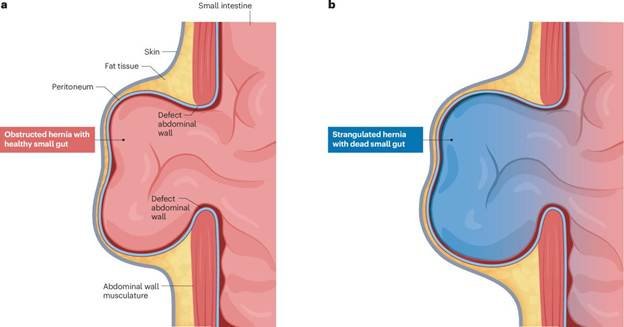
These symptoms may indicate an incarcerated or strangulated hernia, which can require emergency surgery. Do not try to force a painful bulge back into place.
Can a Hernia Heal on Its Own?
A hernia generally does not repair itself without treatment. Depending on its type, size, symptoms, and the patient’s overall health, a doctor may recommend monitoring or surgical repair. Surgery is often considered when the hernia causes significant discomfort, grows, or poses a risk of complications.
Avoid heavy lifting if it triggers symptoms and consult a qualified surgeon for an appropriate assessment.
How Is a Hernia Diagnosed?
A doctor usually diagnoses a hernia through a physical examination and by asking about your symptoms. In some cases, an ultrasound or other imaging test may be recommended to confirm the diagnosis.
Treatment depends on the type of hernia and its severity. Early evaluation can help you understand your options and reduce the risk of complications.
Consult Guardian Hospital, Ambala
If you notice a bulge, persistent discomfort, or other symptoms associated with a hernia, do not ignore them. Timely medical evaluation can help determine the right treatment for your condition.
At Guardian Hospital, Ambala consults a qualified surgeon for assessment and guidance regarding hernia treatment.

Leave feedback about this