

- August 24, 2026
- drishti gupta
- Comment: 0
- Pulmonology
Breathing is something we often take for granted until breathing becomes difficult. A persistent cough, recurring chest infections, wheezing, asthma, or unexplained breathlessness can affect your daily life and may sometimes indicate an underlying respiratory condition.
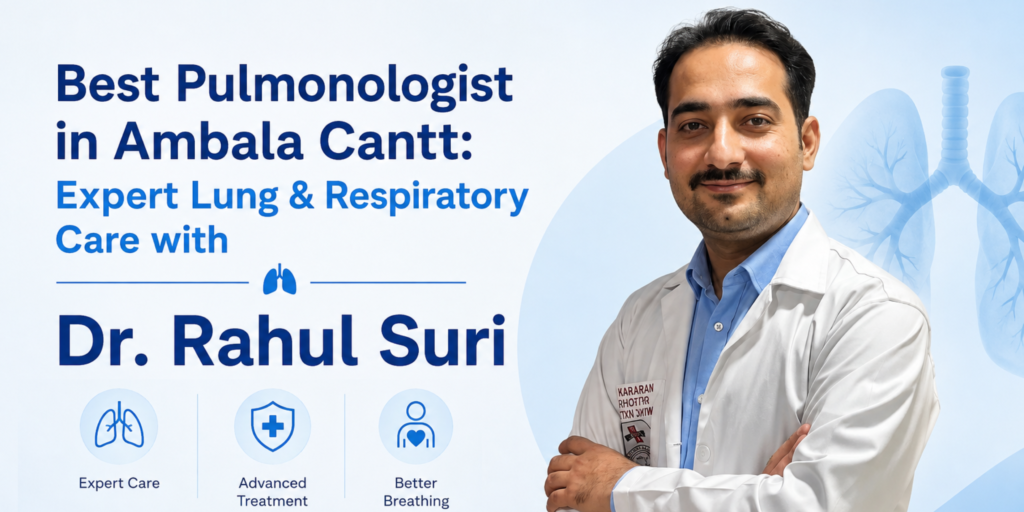
At Guardian Hospital, Ambala Cantt, Dr. Rahul Suri, Pulmonologist and Critical Care Specialist, provides comprehensive evaluation and management of a wide range of lung and respiratory conditions.
From common breathing problems such as asthma and chronic cough to complex conditions including COPD, tuberculosis, and interstitial lung disease, timely assessment can help identify the cause of symptoms and guide appropriate treatment.
Meet Dr. Rahul Suri – Pulmonologist in Ambala Cantt
Dr. Rahul Suri is a qualified Pulmonologist and Critical Care Specialist with experience in the diagnosis and management of respiratory and critical care conditions.
Qualifications
-
- MBBS
-
- MD – Pulmonary Medicine
-
- DNB – Pulmonary Medicine
-
- Ex. Senior Pulmonary & Critical Care Specialist, GMCH Patiala
Dr. Rahul Suri focuses on patient-centered respiratory care, with treatment plans tailored according to the individual’s symptoms, diagnosis, medical history, and overall health.
What Is Pulmonology?
Pulmonology is a medical specialty focused on the diagnosis and treatment of diseases affecting the lungs, airways, and respiratory system.
A pulmonologist evaluates symptoms such as persistent cough, breathlessness, wheezing, chest discomfort, recurrent respiratory infections, and other problems affecting breathing.
If respiratory symptoms persist, occur frequently, or interfere with everyday activities, professional evaluation can help determine their underlying cause.
Respiratory Conditions Treated by Dr. Rahul Suri
At Guardian Hospital, Dr. Rahul Suri provides evaluation and management for a range of respiratory conditions.
1. Asthma
Asthma is a chronic respiratory condition that can cause narrowing and inflammation of the airways.
Common symptoms may include:
-
- Wheezing
-
- Breathlessness
-
- Chest tightness
-
- Recurrent cough
-
- Symptoms triggered by allergies or environmental factors
Appropriate evaluation and a long-term management plan can help control symptoms and reduce the risk of recurrent attacks.
2. COPD – Chronic Obstructive Pulmonary Disease
COPD is a long-term lung condition that can cause persistent breathing difficulties.
Common symptoms include:
-
- Chronic cough
-
- Excess mucus production
-
- Breathlessness
-
- Reduced exercise tolerance
-
- Recurrent chest infections
Smoking is an important risk factor for COPD. Early diagnosis and appropriate management can help improve symptom control and quality of life.
3. Tuberculosis (TB)
Tuberculosis can affect the lungs and requires timely diagnosis and appropriate treatment.
Respiratory evaluation may be considered when symptoms such as prolonged cough, fever, night sweats, unexplained weight loss, or blood in sputum are present.
Care may include:
-
- Diagnostic evaluation
-
- Treatment planning
-
- Follow-up monitoring
-
- Assessment of treatment response
-
- Evaluation of suspected drug-resistant TB where clinically appropriate
4. Chronic Cough & Chest Infections
A cough that continues for several weeks should not always be ignored.
Possible causes can include asthma, infections, COPD, allergies, reflux, and other respiratory conditions.
Pulmonary evaluation may help identify the underlying cause of:
-
- Persistent cough
-
- Recurrent bronchitis
-
- Pneumonia
-
- Repeated chest infections
-
- Unexplained respiratory symptoms
5. Interstitial Lung Disease (ILD)
Interstitial lung diseases affect lung tissue and may cause progressive breathing difficulties.
Symptoms can include:
-
- Persistent dry cough
-
- Breathlessness
-
- Reduced exercise tolerance
-
- Fatigue
Evaluation may involve pulmonary function testing and other investigations depending on the clinical situation.
6. Sleep-Related Breathing Disorders
Breathing problems can also occur during sleep.
Symptoms that may require evaluation include:
-
- Loud or persistent snoring
-
- Pauses in breathing during sleep
-
- Gasping or choking at night
-
- Excessive daytime sleepiness
-
- Morning headaches
-
- Poor-quality sleep
A respiratory specialist can help determine whether further evaluation for a sleep-related breathing disorder is required.
Advanced Pulmonology Services at Guardian Hospital
Guardian Hospital, Ambala Cantt, provides diagnostic and treatment facilities to support comprehensive respiratory care.
Pulmonary Function Test (PFT)
PFTs assess how well the lungs are functioning and can help evaluate conditions affecting lung capacity and airflow.
Spirometry
Spirometry is a commonly used lung function test that measures how much air a person can breathe in and out and how quickly they can exhale. It can assist in the evaluation of conditions such as asthma and COPD.
Bronchoscopy
Bronchoscopy is a specialized procedure that allows doctors to examine the airways using a thin, flexible instrument. It may be recommended in selected patients investigate certain lung and airway conditions.
Critical Care Pulmonology
Patients with severe respiratory illnesses may require specialized pulmonary and critical care management, particularly when breathing difficulties become serious or require intensive monitoring.
Personalized Respiratory Care
Chronic respiratory conditions often require ongoing management rather than short-term treatment. Care may include medication, lifestyle recommendations, monitoring, inhaler guidance, and follow-up based on the individual’s condition.
When Should You See a Pulmonologist?
Consider consulting a pulmonologist if you experience:
-
- A cough that persists for more than three weeks
-
- Recurrent or unexplained breathlessness
-
- Wheezing or chest tightness
-
- Frequent chest infections
-
- Repeated episodes of pneumonia or bronchitis
-
- Breathing difficulty during routine activities
-
- A history of long-term smoking with respiratory symptoms
-
- Blood in the sputum
-
- Recurrent asthma symptoms or attacks
-
- Persistent respiratory symptoms that are affecting your daily life
Blood in sputum, severe breathlessness, or rapidly worsening breathing problems require prompt medical assessment.
Why Choose Guardian Hospital, Ambala Cantt for Respiratory Care?
Guardian Hospital provides hospital-based respiratory and critical care services with access to specialist consultation and diagnostic facilities.
Patients can benefit from:
-
- Consultation with an experienced Pulmonologist & Critical Care Specialist
-
- Pulmonary Function Testing and Spirometry
-
- Evaluation and management of asthma and COPD
-
- Respiratory infection and TB evaluation
-
- Assessment of interstitial lung diseases
-
- Bronchoscopy when clinically indicated
-
- Critical care support for severe respiratory conditions
-
- Individualized treatment and follow-up
Take Care of Your Lung Health
Respiratory symptoms should not always be dismissed as seasonal allergies, a routine cough, or temporary weakness—especially when they persist or repeatedly return.
Early evaluation can help identify the cause of respiratory symptoms and guide appropriate treatment.
If you are experiencing persistent cough, breathlessness, wheezing, recurrent chest infections, or other breathing-related concerns, consider consulting Dr. Rahul Suri, Pulmonologist and Critical Care Specialist, at Guardian Hospital, Ambala Cantt.
Consult Dr. Rahul Suri
Dr. Rahul Suri
MBBS | MD – Pulmonary Medicine | DNB – Pulmonary Medicine
Pulmonologist & Critical Care Specialist
Guardian Hospital, Ambala Cantt
Breathe Better. Live Better. Take Care of Your Lungs.
Frequently Asked Questions
1. When should I see a pulmonologist?
You should consider seeing a pulmonologist if you have persistent cough, unexplained breathlessness, wheezing, recurrent chest infections, frequent asthma symptoms, or other respiratory problems that do not improve.
2. Is a cough lasting more than three weeks a reason to consult a doctor?
A persistent cough lasting more than three weeks deserves medical evaluation, particularly if it is accompanied by breathlessness, fever, weight loss, chest pain, or blood in the sputum.
3. What conditions does a pulmonologist treat?
Pulmonologists diagnose and manage conditions affecting the lungs and respiratory system, including asthma, COPD, respiratory infections, tuberculosis, interstitial lung disease, and other breathing disorders.
4. What is a Pulmonary Function Test?
A Pulmonary Function Test assesses how effectively your lungs work. It can provide information about airflow and lung capacity and may help doctors evaluate certain respiratory conditions.
5. Can smokers benefit from a pulmonary check-up?
People with a history of long-term smoking, particularly those experiencing cough, breathlessness, wheezing, or reduced exercise tolerance, may benefit from medical evaluation of their lung health.
Medical Disclaimer: This blog is intended for general educational purposes and should not be considered a substitute for professional medical advice, diagnosis, or treatment. Respiratory symptoms can have many different causes. Please consult a qualified healthcare professional for an appropriate evaluation and personalized medical advice.

Leave feedback about this