

- July 15, 2026
- drishti gupta
- Comment: 0
- Laparoscopic Surgery
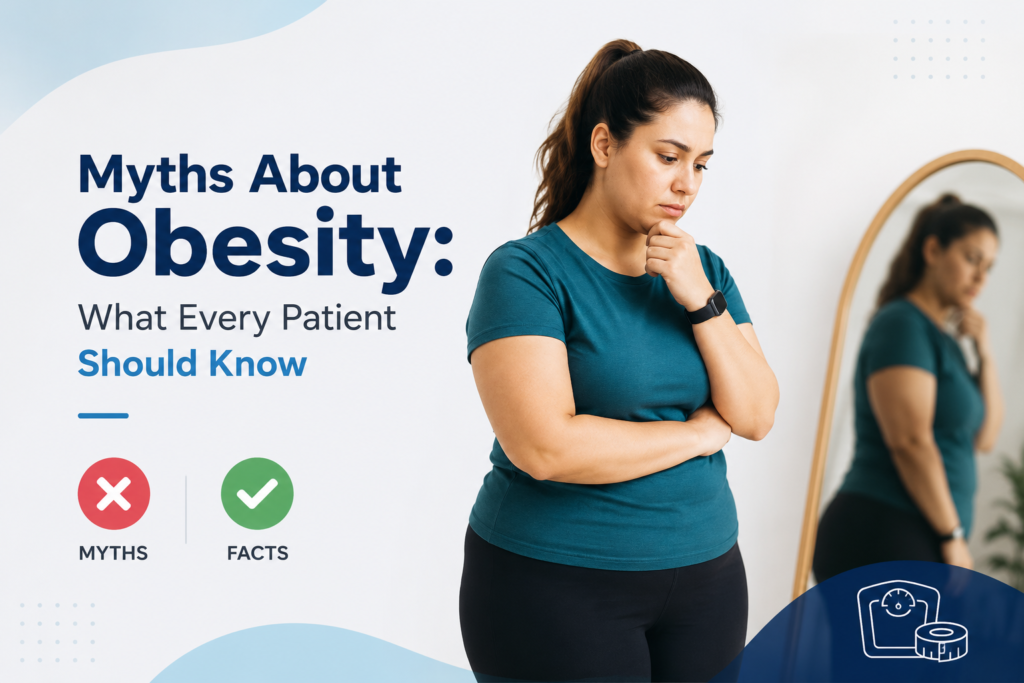
Obesity is one of the fastest-growing health concerns worldwide, affecting people of all ages. Yet, despite growing awareness, many misconceptions continue to prevent people from seeking the right treatment.
At Guardian Hospital, we believe that understanding the facts is the first step toward better health. Let’s separate myth from reality.
What is Obesity?
Obesity is a chronic medical condition in which excess body fat accumulates to a level that can negatively affect your health. It is much more than simply gaining weight it is a complex disease influenced by genetics, lifestyle, hormones, metabolism, sleep, stress, and certain medical conditions.
When the body stores fatter than it burns over time, the risk of developing several serious health problems increases. Obesity can affect people of all ages and may reduce both quality of life and life expectancy if left untreated.
such as:
- Type 2 Diabetes
- High Blood Pressure
- Heart Disease
- Fatty Liver Disease
- Sleep Apnea
- Joint Pain
- Certain Types of Cancer
Doctors commonly use Body Mass Index (BMI) along with waist circumference and overall health assessment to diagnose obesity.
Myth #1: Obesity Happens Because People Eat Too Much
Fact: While unhealthy eating contributes to weight gain, obesity is much more complex.
It can also be caused by:
- Genetics
- Hormonal disorders
- Certain medications
- Poor sleep
- Stress
- Lack of physical activity
- Medical conditions like PCOS or Hypothyroidism
Obesity is a chronic medical condition, not simply a lack of willpower.
Myth #2: Losing Weight is Only About Dieting
Fact: Crash diets rarely provide long-term success.
Effective weight management requires:
- Balanced nutrition
- Regular exercise
- Lifestyle changes
- Behavioral counseling
- Medical supervision
- Weight-loss medications (when appropriate)
- Bariatric surgery for eligible patients
Myth #3: Obesity Only Affects Appearance
Fact: Obesity affects almost every organ in the body.
It increases the risk of:
- Diabetes
- Heart attacks
- Stroke
- Kidney disease
- Arthritis
- Infertility
- Depression
- Sleep disorders
Treating obesity improves both quality of life and overall health.
Myth #4: Exercise Alone Can Cure Obesity
Fact: Exercise is essential, but it works best
when combined with:
- Healthy eating
- Adequate sleep
- Stress management
- Medical guidance
Weight loss is influenced by multiple factors do not exercise alone.
Myth #5: Bariatric Surgery is an Easy Shortcut
Fact: Bariatric surgery is a scientifically proven treatment for severe obesity.
It is recommended only after careful evaluation and requires:
- Lifestyle commitment
- Regular follow-ups
- Nutritional guidance
- Long-term healthy habits
It is a medical treatment not a shortcut.
Myth #6: If You Lose Weight Once, Obesity is Permanently Cured
Fact: Obesity is a chronic disease. Diabetes or hypertension require lifelong management. Maintaining healthy habits is essential to prevent weight regain.
Myth 7: Weight-Loss Medicines are Dangerous
Fact: Modern weight-loss medications can be safe and effective when prescribed by qualified doctors. They should always be used under medical supervision and combined with healthy lifestyle changes.
Myth #8: People with Obesity Are Lazy
Fact: This is one of the biggest myths.
Many individuals with obesity:
- Exercise regularly
- Eat healthy
- Follow medical advice
Weight is influenced by genetics, hormones, metabolism, environment, mental health, and lifestyle, not just motivation. Everyone deserves respect and evidence-based care.
When Should You Consult a doctor?
You should seek medical advice if you:
- Have a BMI over 30
- Struggle to lose weight despite efforts
- Have diabetes or high blood pressure
- Experience joint pain due to excess weight
- Snore heavily or have sleep apnea
- Have obesity-related health problems
Early treatment can prevent serious complications.
How Guardian Hospital Can Help?
At Guardian Hospital, our experienced specialists provide comprehensive obesity care, including:
- Personalized weight management plans
- Nutritional counseling
- Lifestyle modification support
- Medical management
- Bariatric surgery evaluation
- Long-term follow-up care
Our goal is not just weight loss but improving your overall health and quality of life.
Conclusion
Obesity is a complex medical condition, not a personal failure. Believing myths can delay treatment and increase the risk of serious health problems. With the right information, expert guidance, and personalized care, achieving a healthier life is possible.
If you or a loved one is struggling with obesity, consult the experts at Guardian Hospital and take the first step toward better health.
Frequently Asked Questions (FAQs)
Is obesity a disease?
Yes. Obesity is recognized as a chronic disease that requires proper medical management.
Can obesity be treated without surgery?
Yes. Many patients achieve success through diet, exercise, lifestyle changes, medications, and medical supervision. Surgery is recommended only for eligible individuals.
Is obesity hereditary?
Genetics can increase the risk, but healthy lifestyle choices and timely medical care play a significant role in prevention and treatment.
Can obesity cause diabetes?
Yes. Obesity is one of the leading risk factors for Type 2 diabetes.
When should I consider bariatric surgery?
Bariatric surgery may be recommended for individuals with severe obesity or obesity-related medical conditions after evaluation by a qualified specialist.
Reviewed by Dr. Tanuj Singla
MBBS, MS (AIIMS Rishikesh)
Ex-Senior Resident, PGI Chandigarh
Consultant Laparoscopic Surgeon
Guardian Hospital

Leave feedback about this