

- June 26, 2026
- drishti gupta
- Comment: 0
- Physiotherapy
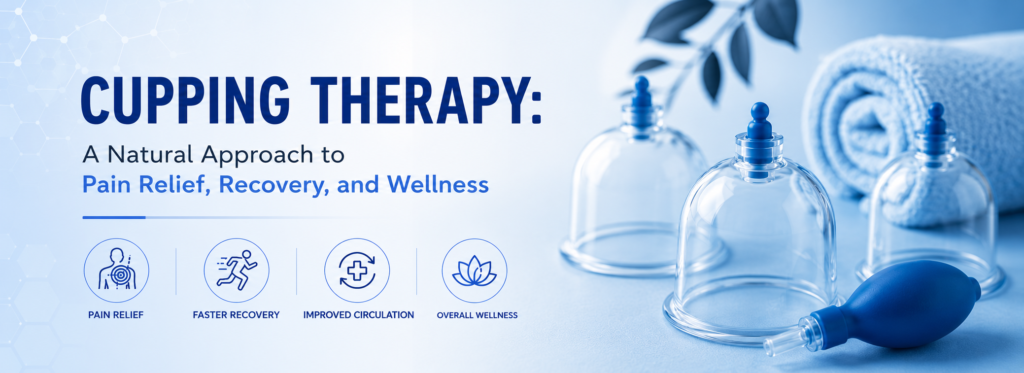
In today’s fast-paced lifestyle, muscle stiffness, stress, poor posture, and sports-related fatigue have become increasingly common. Whether you are an athlete, fitness enthusiast, office worker, or someone dealing with chronic muscle tension, finding effective ways to support recovery and overall well-being is essential. One therapy that has gained significant popularity in recent years is Cupping Therapy.
At Guardian Hospital, we are committed to providing evidence-based wellness and rehabilitation services that help patients recover, perform better, and improve their quality of life. Cupping therapy is one of the complementary treatments that may support pain management, muscle recovery, and relaxation when used appropriately.
What Is Cupping Therapy?
Cupping therapy is an ancient therapeutic technique that uses specially designed cups placed on the skin to create suction. This gentle suction lifts the skin and underlying tissues, which may help improve local blood circulation, reduce muscle tightness, and promote relaxation.
The practice has been used in various cultures for centuries and continues to be widely utilized today as a complementary treatment for musculoskeletal discomfort and recovery support.
Unlike massage therapy, which applies pressure downward into the muscles, cupping therapy creates a lifting effect that may help release tension in tight or overworked muscles.
How Does Cupping Therapy Work?
During a cupping session, a trained therapist places cups on specific areas of the body. A vacuum is created inside the cups, producing gentle suction against the skin.
This suction may help:
● Increase local blood flow
● Relax tight muscles
● Reduce muscle stiffness
● Support recovery after physical activity
● Promote a sense of relaxation and well-being
The cups are typically left in place for several minutes, depending on the treatment goals and the individual’s condition.
Common treatment areas include:
● Neck ● Shoulders
● Upper back
● Lower back
● Hamstrings
● Calves
● Glutes
● Quadriceps
These are areas where muscle tension and soreness frequently occur due to exercise, repetitive movements, or prolonged sitting.
What Does Cupping Therapy Feel Like?
Many first-time patients wonder whether cupping therapy is painful.
Most people describe the sensation as:
● A gentle pulling or lifting feeling on the skin
● Mild pressure or tightness
● Deep muscle relaxation during and after treatment
The treatment is generally well tolerated and is usually not painful when performed correctly by a trained professional.
After the session, it is common to notice circular red, pink, or purple marks where the cups were placed. These marks are temporary and typically fade within a few days to two weeks.
Understanding Cupping Marks
One of the most recognizable aspects of cupping therapy is the appearance of circular marks on the skin after treatment.
These marks are not the same as traditional bruises caused by trauma. Instead, they are thought to reflect changes in local circulation caused by the suction effect.
The color and intensity of the marks can vary:
● Light Pink: Often associated with healthy circulation.
● Light Red: May indicate mild muscle tension or restriction.
● Red to Dark Pink: May be seen in areas with moderate tightness.
● Deep Red or Purple: Often appears in areas with greater muscle tension or long-standing stiffness.
● Fading Yellow: Indicates the natural healing process as the marks disappear.
These marks are temporary and usually fade naturally over time without requiring treatment.
Who Can Benefit from Cupping Therapy?
Gym-Goers and Athletes
Cupping therapy has become increasingly popular among athletes and fitness enthusiasts because of its potential role in recovery and muscle maintenance.
It may be beneficial for:
✔ Muscle soreness after workouts (DOMS)
✔ Tight muscles and muscle knots
✔ Recovery after intense training sessions
✔ Shoulder, back, neck, and leg stiffness
✔ Reduced flexibility caused by muscle tightness
✔ Sports performance recovery programs
Many athletes use cupping therapy as part of their overall recovery routine alongside stretching, mobility training, hydration, and proper nutrition.
Individuals with Muscle Tension and Pain
Cupping therapy may also help people experiencing:
✔ Neck pain
✔ Shoulder pain
✔ Back pain
✔ Posture-related muscle tension
✔ Stress-related muscle tightness
✔ Recovery from certain sports injuries
For individuals who spend long hours sitting at desks or working on computers, muscle tightness in the neck, shoulders, and upper back is extremely common. Cupping therapy may provide temporary relief and improved comfort when combined with appropriate rehabilitation strategies.
Potential Benefits of Cupping Therapy
While individual results can vary, many people report several positive effects after treatment.
Potential benefits include:
1. Muscle Relaxation
The suction created by the cups may help release tight muscle tissue, allowing muscles to feel more relaxed and less restricted.
2. Improved Local Blood Circulation
Cupping therapy may encourage increased blood flow to treated areas, supporting the body’s natural recovery processes.
3. Reduced Muscle Stiffness
Many patients experience reduced tightness and improved comfort after treatment, particularly in the neck, shoulders, and back.
4. Exercise Recovery Support
Athletes often use cupping therapy after intense training sessions to support recovery and reduce feelings of muscle fatigue.
5. Stress Relief and Relaxation
Many individuals find the treatment deeply relaxing and report an overall sense of well-being after a session.
Cupping Therapy for Gym Persons and Athletes
For fitness enthusiasts, recovery is just as important as training. Overworked muscles can lead to soreness, reduced mobility, and an increased risk of injury.
Cupping therapy is often used:
● After heavy workouts
● During recovery days
● As part of sports rehabilitation programs
● Alongside physiotherapy and mobility exercises
Common treatment areas for gym-goers include:
● Upper back ● Trapezius muscles (traps)
● Shoulders
● Hamstrings
● Calves
● Quadriceps
● Lower back
However, cupping therapy should never replace essential recovery practices. For best results, it should be combined with:
● Proper stretching
● Adequate hydration
● Balanced nutrition
● Quality sleep
● Strength and mobility training
● Professional rehabilitation when needed
Who Should Avoid Cupping Therapy?
Although cupping therapy is generally safe when performed by qualified professionals, it may not be suitable for everyone.
People who should consult a healthcare provider before treatment include:
● Individuals with open wounds or skin infections
● People with severe bleeding disorders
● Those taking blood-thinning medications
● Individuals with fractures or acute injuries
● People with severe skin conditions
A proper medical assessment helps ensure that the therapy is safe and appropriate for each individual.
Why Choose Guardian Hospital for Cupping Therapy?
At Guardian Hospital, patient safety, comfort, and evidence-based care are our top priorities. Our healthcare professionals carefully assess each patient’s condition and treatment goals before recommending any therapeutic intervention.
We believe in a comprehensive approach to recovery that combines:
● Expert clinical evaluation
● Rehabilitation and physiotherapy support
● Pain management strategies
● Exercise guidance
● Wellness-focused care
Whether you are recovering from intense physical activity, dealing with muscle stiffness, or looking for additional recovery support, our team can help determine whether cupping therapy may be suitable for your needs.
Conclusion
Cupping therapy is a time-tested technique that may help relax muscles, improve local circulation, reduce stiffness, and support recovery. It has become particularly popular among athletes, gym-goers, and individuals experiencing muscle tension from daily activities.
While cupping therapy can be a valuable part of a wellness and recovery program, it works best when combined with healthy lifestyle habits, exercise, proper nutrition, hydration, and professional medical guidance.
If you would like to learn more about cupping therapy or explore personalized rehabilitation and recovery options, contact Guardian Hospital today. Our experienced healthcare team is dedicated to helping you move better, recover faster, and achieve your health and wellness goals.

Leave feedback about this